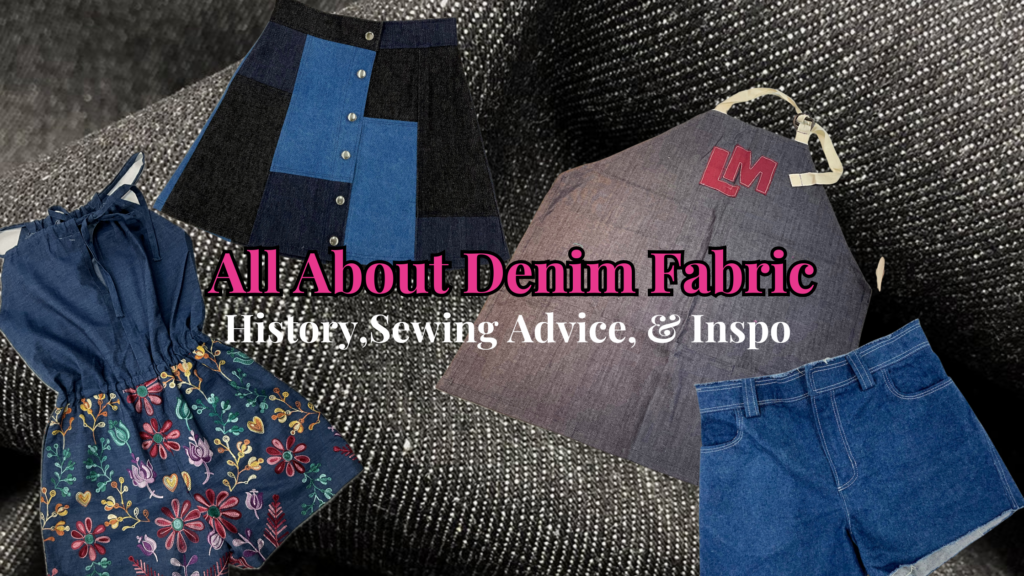
Denim has a long and rich history and is one of the most worn fabrics in the world, but for a lot of sewists we can tend to avoid it.
It is a thick and durable fabric that is mildly expensive, and is often used for very rugged clothes that require a lot of technical sewing.
So let’s decode denim so we can all be a bit more comfortable with the idea of sewing it.
The Origins of Denim
Like with all textiles (and most things), the origin of Denim is debated.
Most commonly it is attributed to the town of Nîmes in France, which manufactured the fabric starting in the 17th century, the word ‘denim’ was derived from ‘serge de Nîmes’ .
Serge in this context was referring to the type of weave, Twill.
If you’re interested in learning about different types of weaves you should read this blog post or watch our tiktok series.
The iconic color & dye of denim is of course Indigo, which I could do a whole separate blog history about.
Using indigo dye, weavers would change only the warp threads to blue, making it a distinct fabric from the variety of other twills.
Denim, like all twills, is sought after because of it;s durability. Which lended its original use of sails for boats!
Eventually its ruggedness would be translated to work wear during the gold rush in the United States.
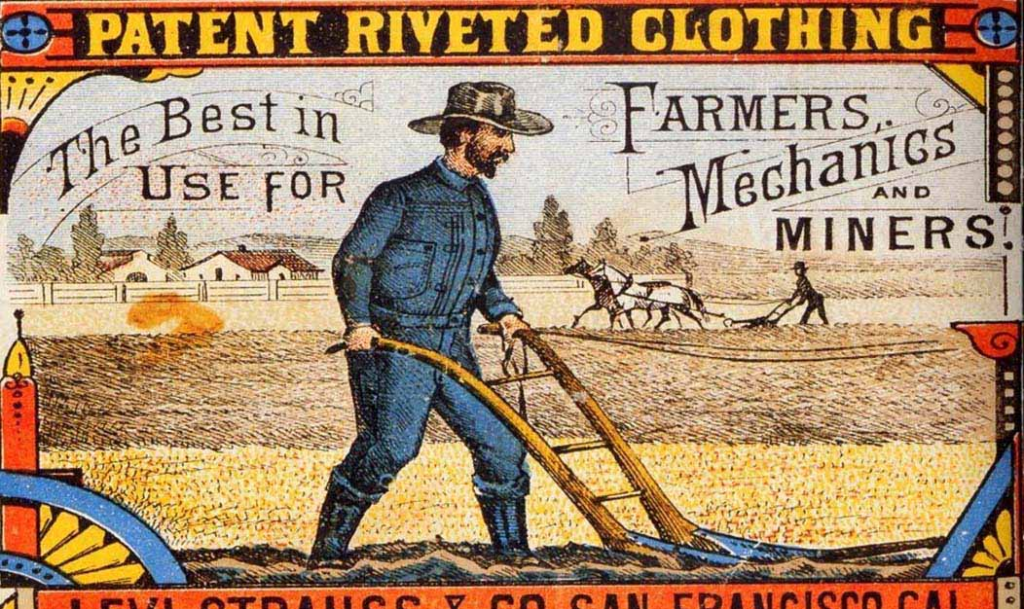
Because of this association with the working class, it took a while to get into everyone’s wardrobe. Denim was readily taken up by farmers, miners, railroad workers, and other blue collar trades.
The rise of the American cowboy is largely to thank for the popularization of the fabric into high fashion. (Though it is important to note that the original cowboys are from Mexico and looked like this.) As rodeos were popularized it paved the path for Hollywood to take notice of the fabric and put it on the likes of James Dean. Eventually being fully accepted into everyone’s daily wardrobe.
The types of Denim
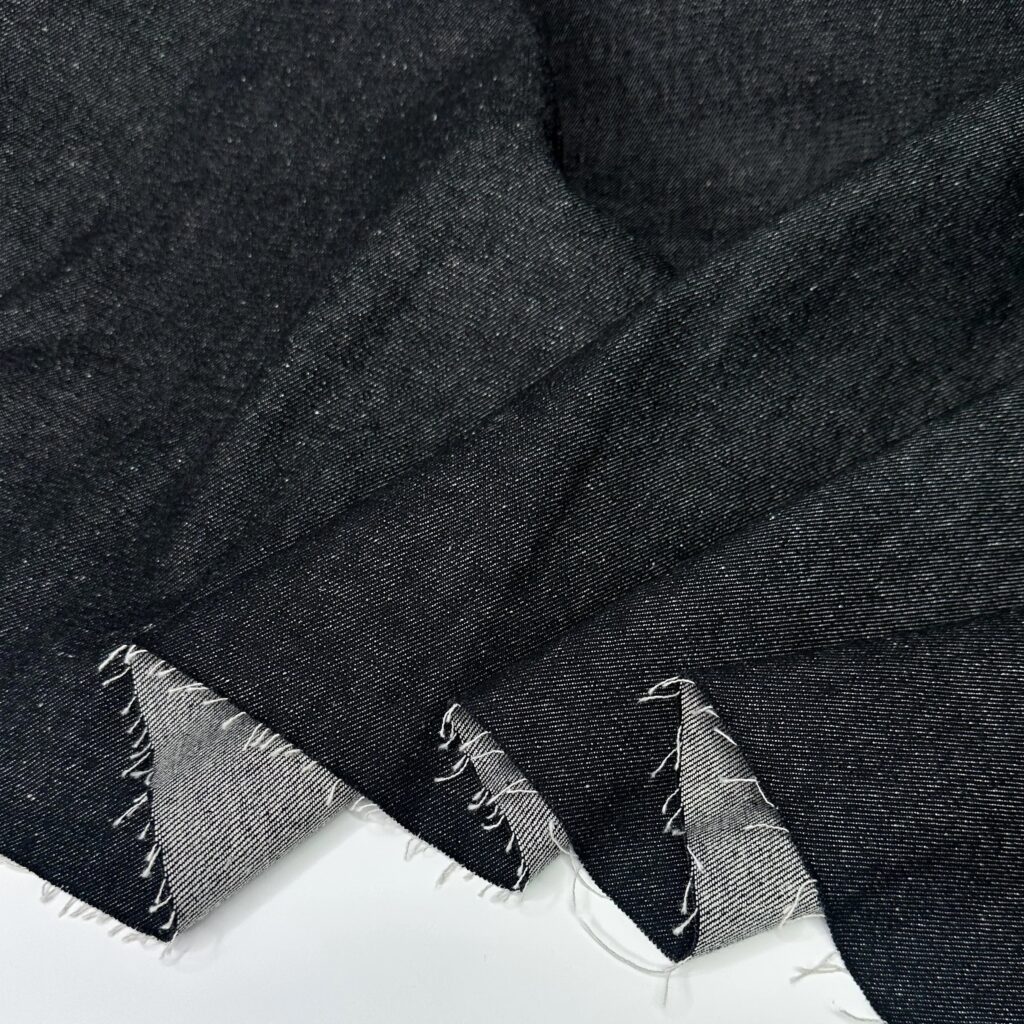
Denim is pretty standard in weave and color because of the classification. Denim is only Denim when the warp threads are dyes (most typically indigo) and the weft are left raw. As well as the weave being twill in structure.
SO if you see a fabric that looks similar to denim but is all one color, that is just a twill!
Not all Twills are Denim but all Denim is twill.
The distinction between type of twills is strictly just fabric weight!
Light weight denims are most commonly used for shirting
Medium Weight can be used for pants and jackets
Heavy Weight can also be used for pants and jackets, but has more applications in bag making, upholstery, and anything that needs to be hardwearing.
Recommended products

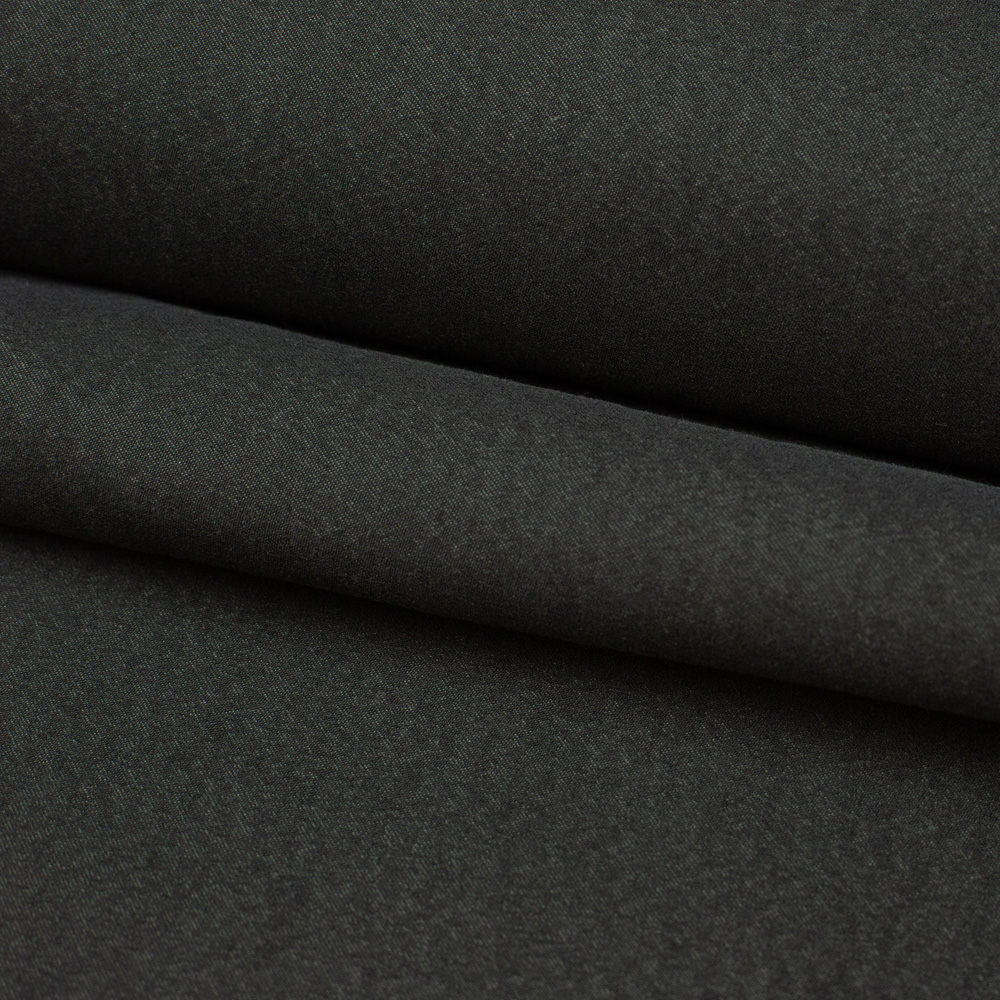
Denim 12oz | Black
$17.00 PER 1/2 METER
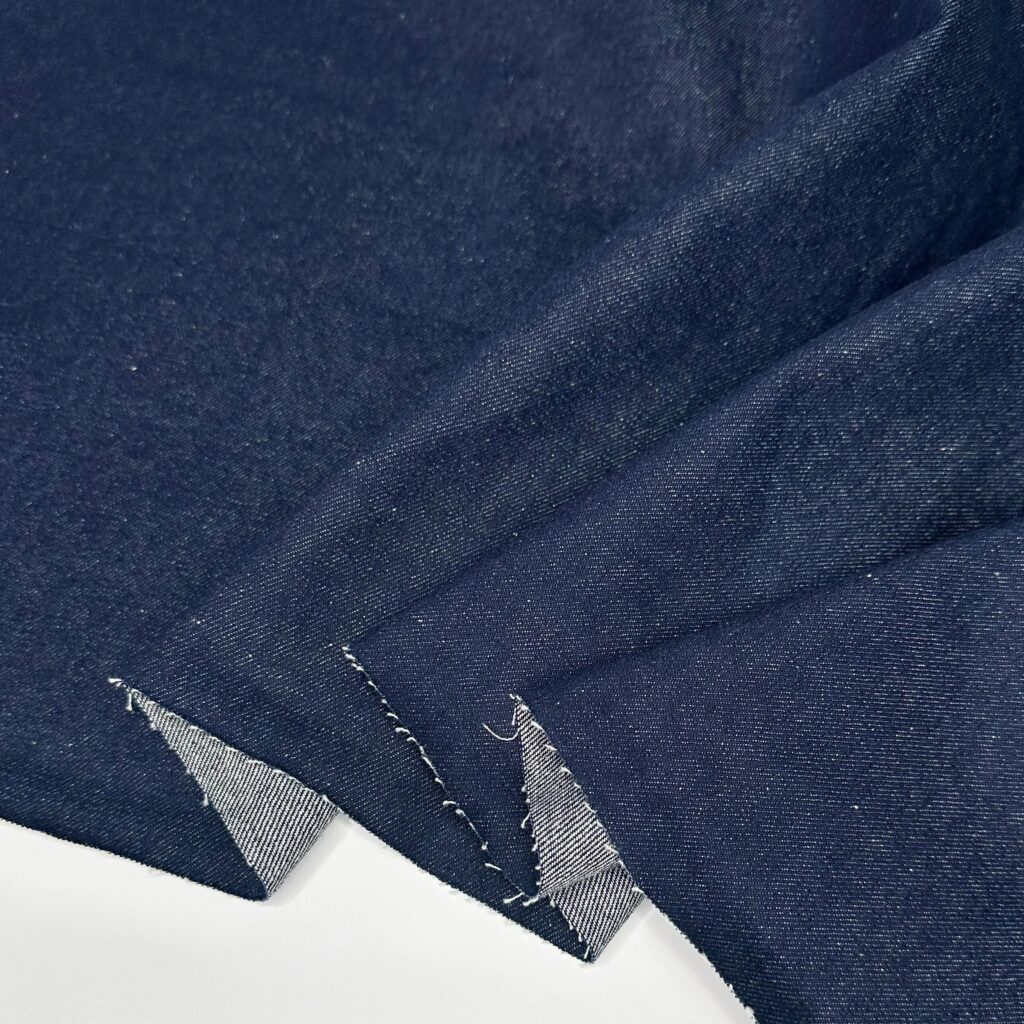
($34.00 PER METER)Denim 12oz | Dark Indigo
$17.00 PER 1/2 METER
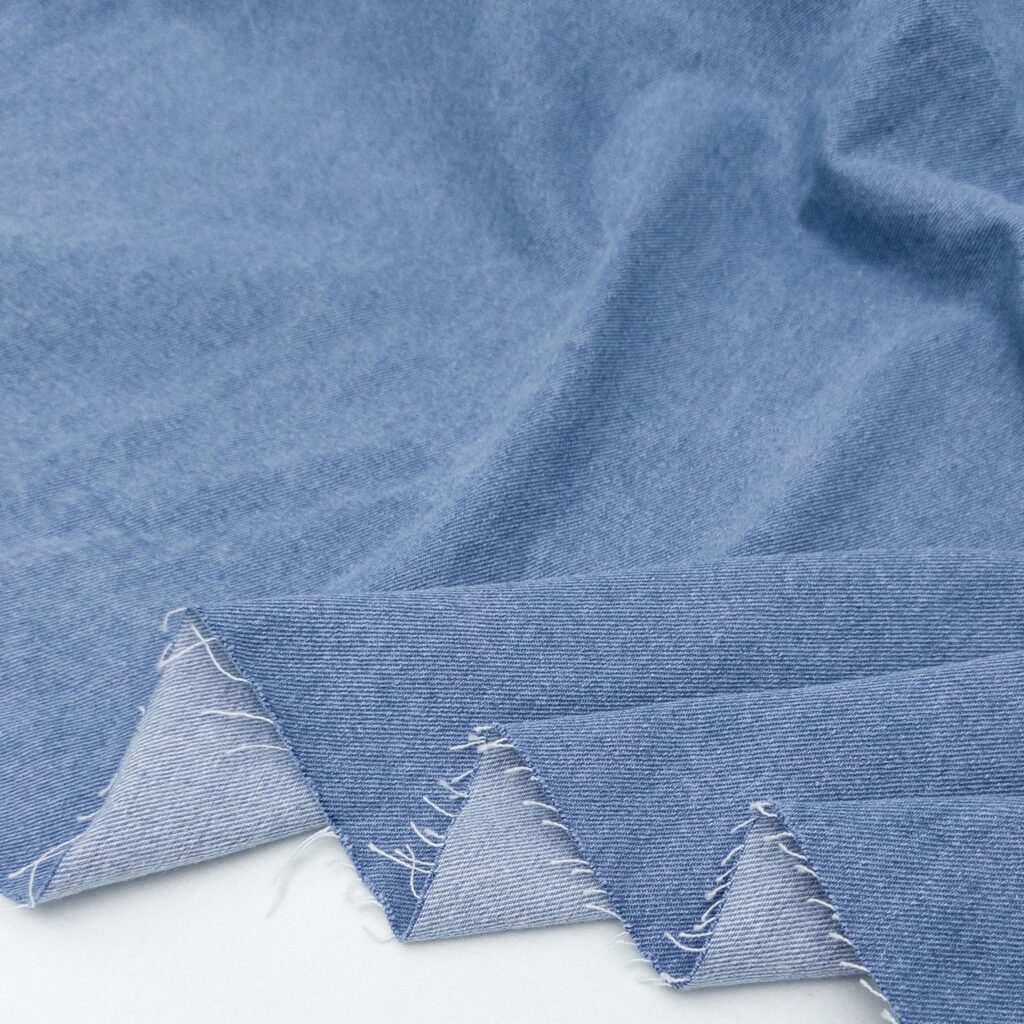
($34.00 PER METER)Denim 12oz | Medium Blue
$17.00 PER 1/2 METER
($34.00 PER METER)Denim Chambray 12oz | Medium Blue
$17.00 PER 1/2 METER
($34.00 PER METER)
Stretch Denim 9.5oz
$9.00 PER 1/2 METER
($18.00 PER METER)

The Tools You Need
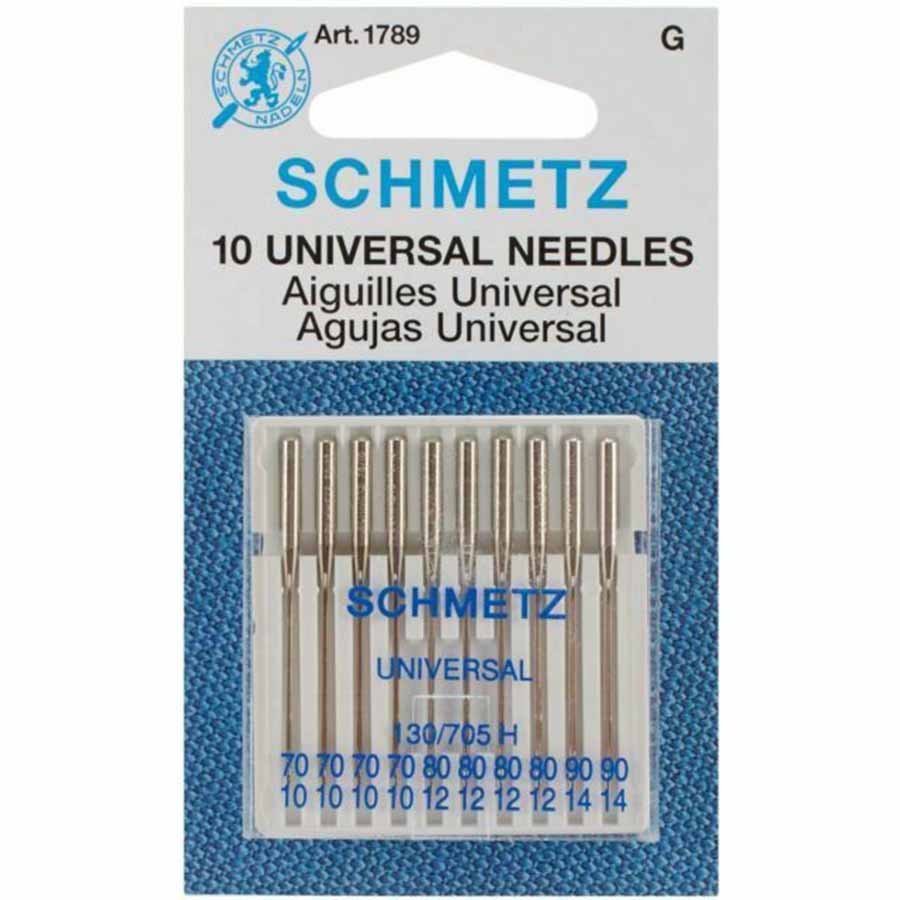
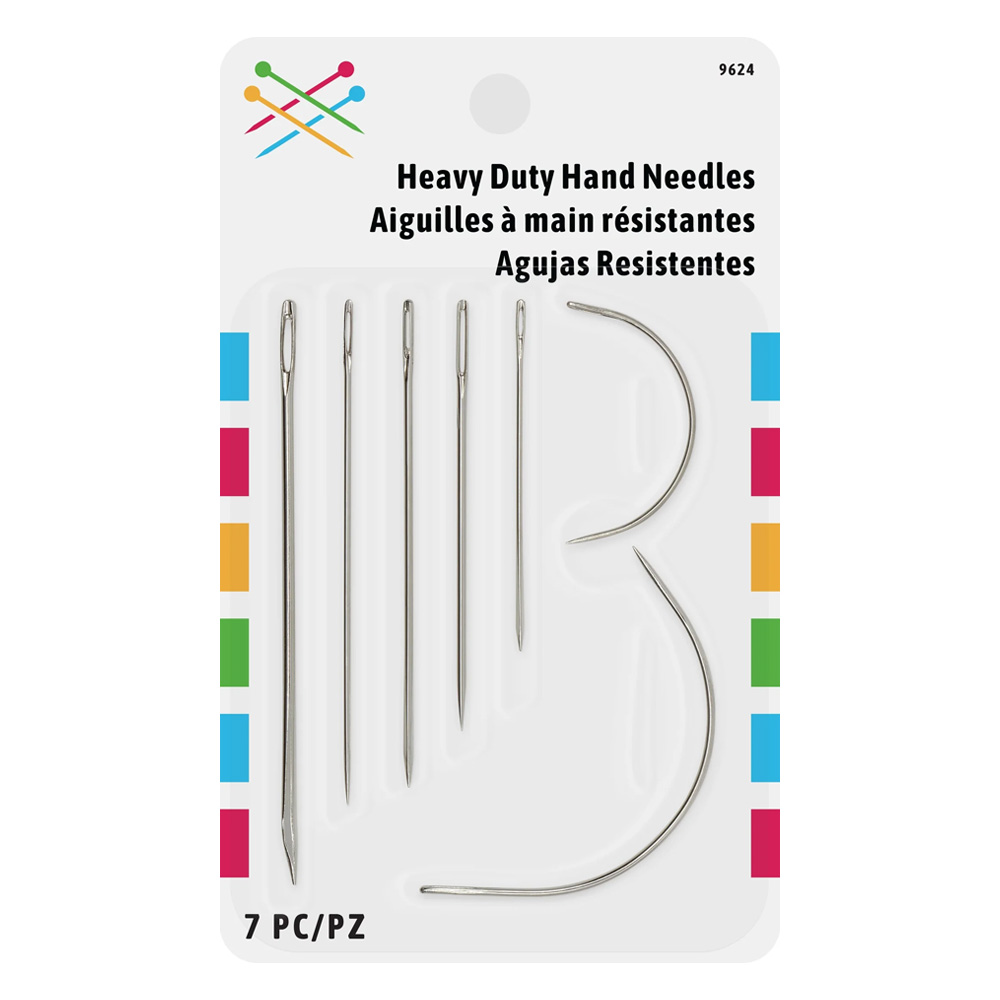
When sewing with Denim it is best to have a new, sharp and thick needle in your sewing machine.
If you are sewing something thick, an uncommon tool that I learned to use as a tailor is a hammer! Pounding thick seams is super helpful to feeding it through your sewing machine.
In terms of thread there is also Denim thread, which has the variegation of denim and is helpful for patching denim.
As well as topstitch thread which you will commonly see on classic denim wear.
Recommended products
What to sew out to Denim
If you are a beginner seamstress working with denim, I would suggest starting with something simple like a tote bag! You can find ours here and watch the full video tutorial.
If you’re ready for the full complexities of denim, Jeans are always an easy answer and there are so many styles to choose from.
Seamwork & The Fold Line have great sewing pattern lists for this!
If you’re looking for free sewing patterns to test Denim out on you can find jeans & jacket patterns suitable on Mood Fabrics website.
Denim Sewing Tips
Further Reading
Websites
https://www.maison123.co.uk/histoiredenim_ah23.html
Books on Denim