In my constant search to understand how fabric and fashion has changed history I learned a bit about how integral cotton gauze was to the medical profession. The absorption was vital to bandaging people, and it’s a pretty great thing not to have your patient bleed out and to help them clot easier.
Now it is well loved for baby clothes, breathable summer wear, and comfy bedding. But who came up with cotton gauze, how is it made, and why did they make it?
What is Cotton Gauze?
Even if you have never heard the term cotton Gauze before you have certainly touched and used it before.
The origins of Gauze are cited to be from Gaza. Being a notable trade route on the way to Egypt (which was sought after due to their strong cotton crop). Lots of textiles passed through the Via Maris (a trade route connecting Europe & Asia to Egypt).
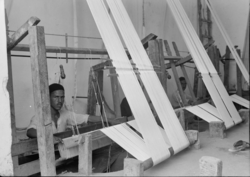
Lots of cities in this region had strong weaving culture and it’s really worthwhile to read about, but of course I am no historian and my memory is short so here is my reading list if you are interested and want to know more!
On Palestinian Costume , On the silk roads , On textile history.

Gauze was originally woven from Chinese silk and then adapted to Egyptian cotton, which became a match made in heaven for absorbency.
The absorbency in the gauze weave is created by the over under structure over the warp threads creating pockets to hold the moisture and the looseness aids in the breathability helping keep the cloth dry.
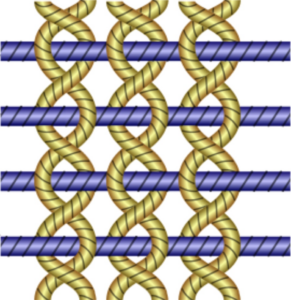
For these reasons you can gather why they ended up being so vital in the medical industry, something to keep wounds dry while protecting them.
What to use Cotton Gauze for?
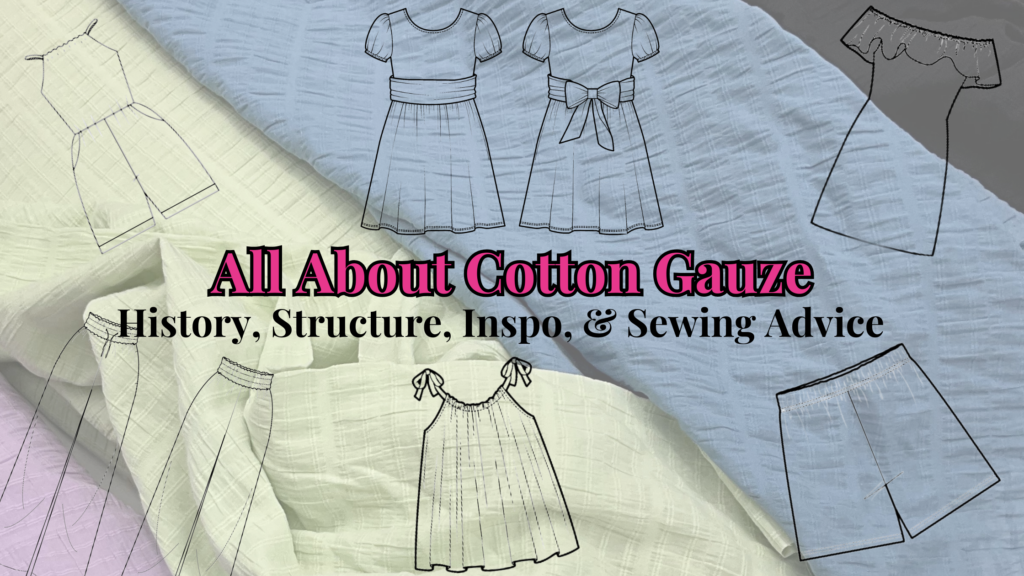
Now that we know that cotton gauze is both breathable and absorbent with a loose weave we can start imagining it in sewing applications.
Commonly you can purchase cotton gauze baby blankets and clothing.
In modern fashion you can get it in flowy pants, dresses, and shirts.
Flowy is the important thing to note here, because of its loose weave and thin threads it does not work well for fitted garments, sewing zippers in it is a pain, and if you need to put a closure in you will need interfacing.
Recommended products

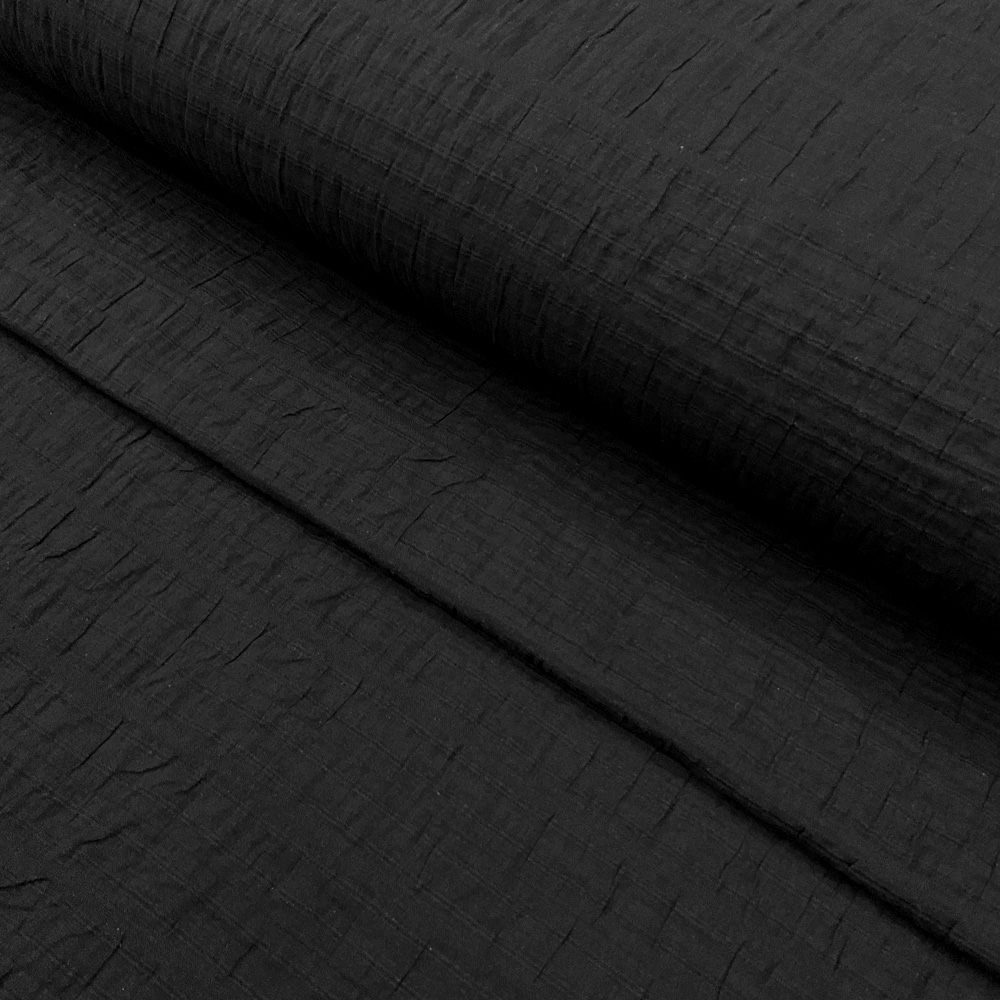
Carefree Crinkle Cotton | Black
$7.00 PER 1/2 METER
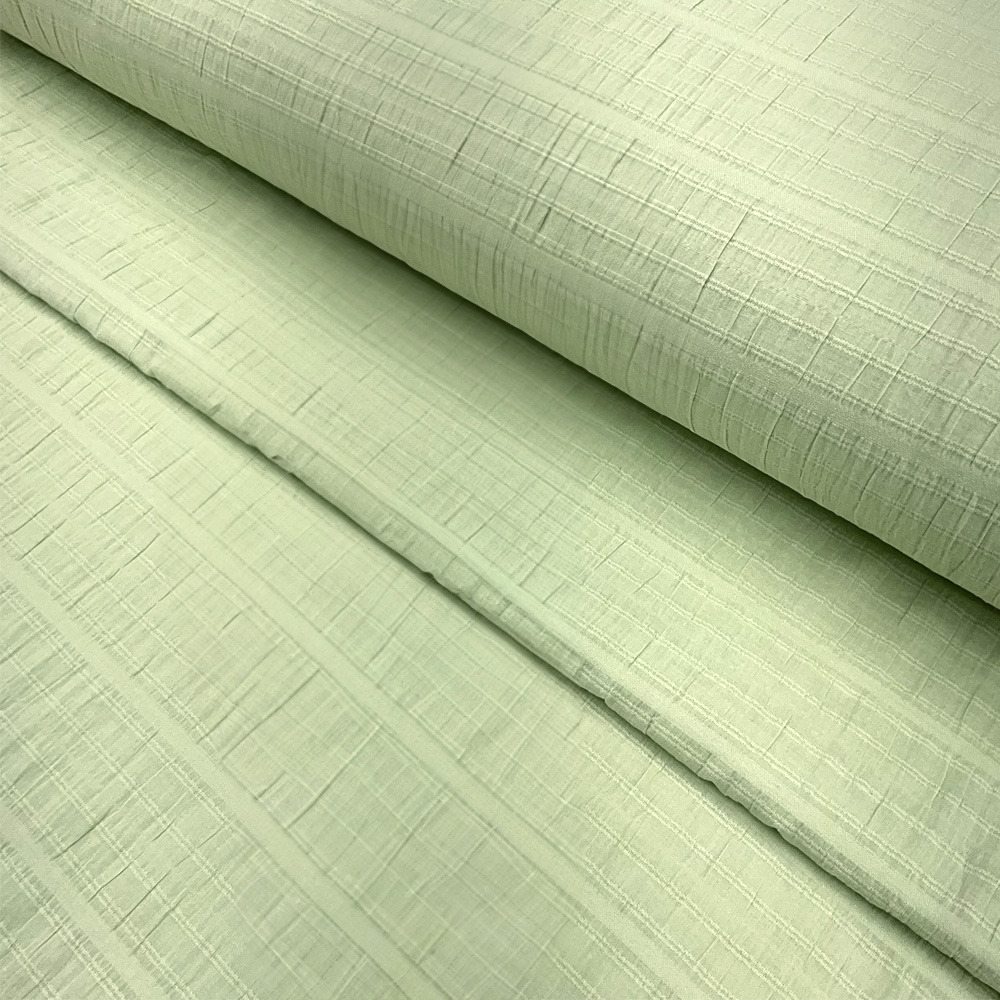
($14.00 PER METER)Carefree Crinkle Cotton | Honeydew
$7.00 PER 1/2 METER
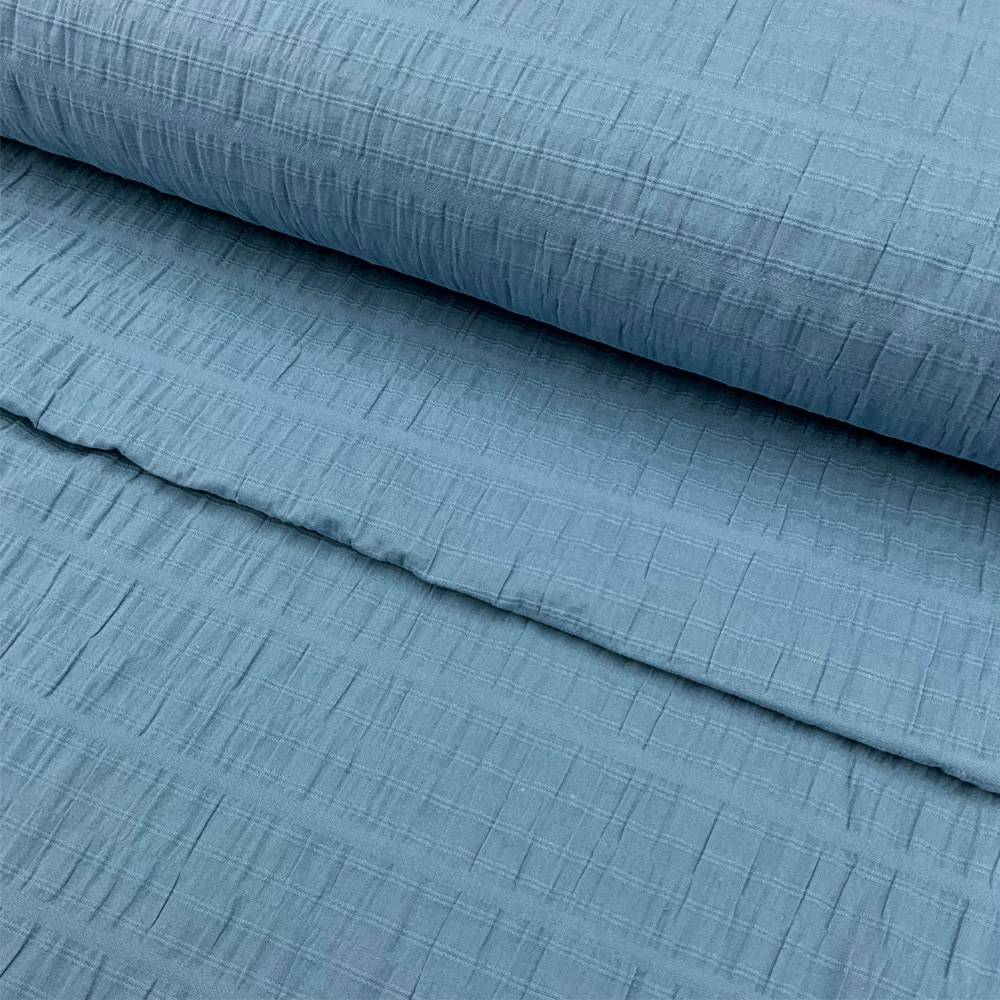
($14.00 PER METER)Carefree Crinkle Cotton | Lake Blue
$7.00 PER 1/2 METER
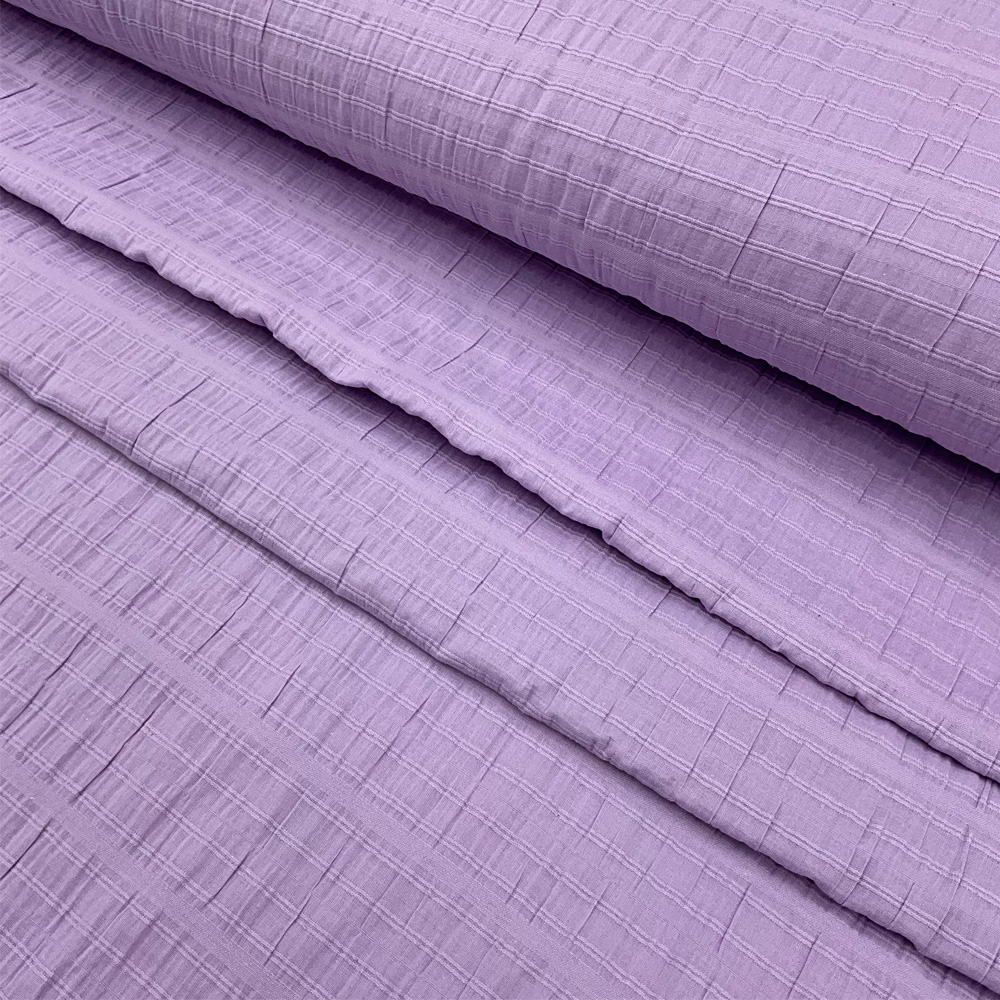
($14.00 PER METER)Carefree Crinkle Cotton | Lilac
$7.00 PER 1/2 METER
($14.00 PER METER)
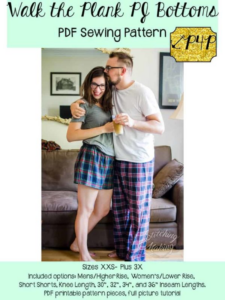
Free patterns for inspiration –
Flowy pants and shorts with an elastic or drawstring waist
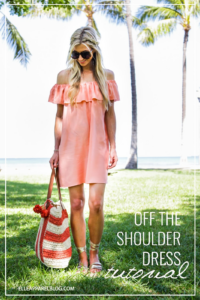
A Simple Beginner Dress pattern

How to sew with Cotton Gauze?
Most often when people begin sewing I recommend for them to work with a Plain Weave cotton, in our beginner intro to sew we most often have used Cotton Canvas.
But it is important to note that cotton gauze is not a traditional weave; it is finer, looser, and in that way it has more give, it is even easier to snag.
It is important when you go to sew cotton gauze you keep these things in mind.
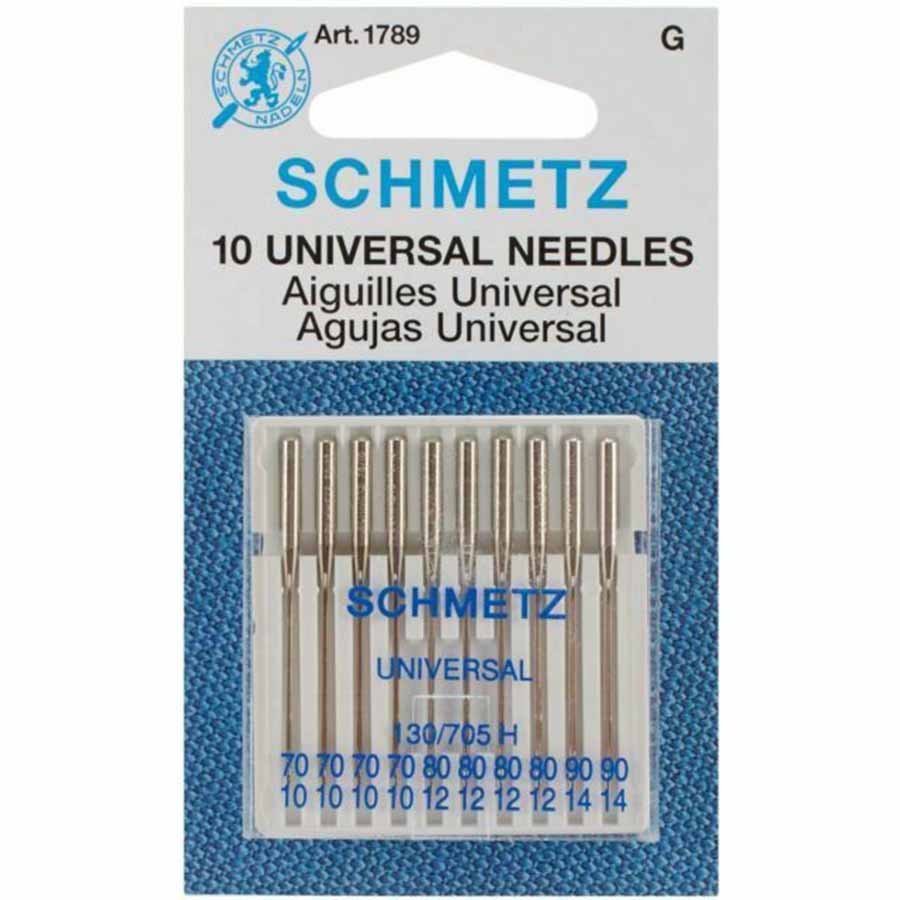
You will need a new and smaller gauge needle, like a size 10.
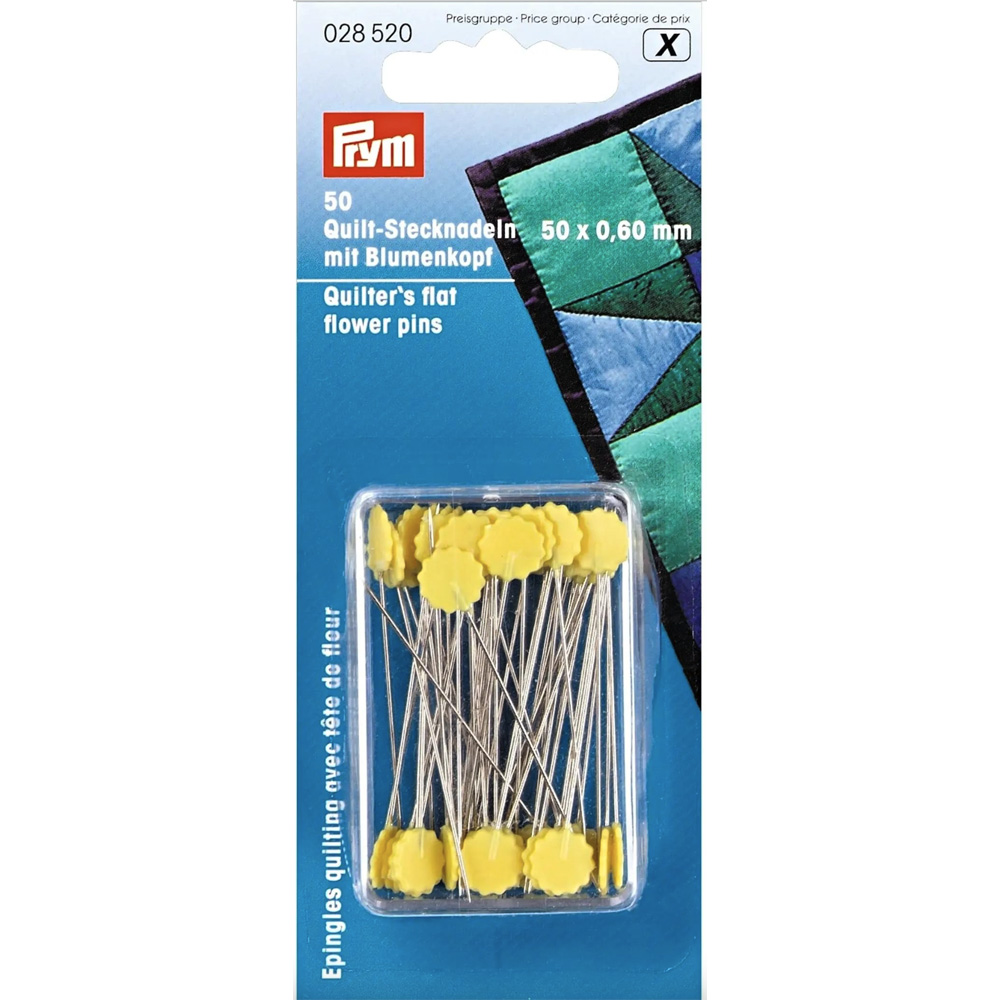
When you pin you will do better with longer pins because it is easy for the pins to slip from the weave.
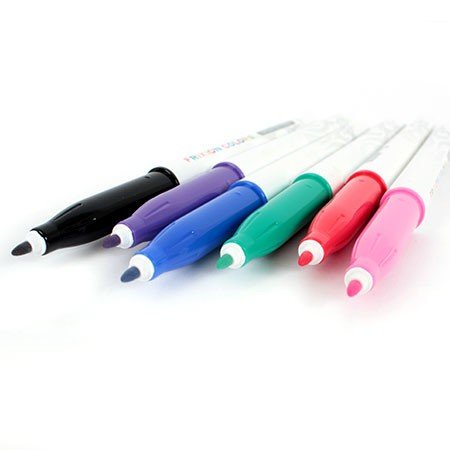
Marking your fabric, you will do best with a fabric marker as tailors chalk will not graze over the fabric easily.
Recommended products

Classes where we use Cotton Gauze
If you are interested in sewing with cotton gauze and wanting a more structured sewing experience, we use cotton gauze in our Palazzo pant workshop as well as our Skirt workshop.
Cotton Gauze is a beautiful addition to any wardrobe as well as your linen closet and medicine cabinet. It is rare to see such a versatile cloth and it is easy to see how it could become a wardrobe staple. We have a wide selection of colors in weights in our online shop and in person at our sewing studio in Vancouver.