(Without getting overwhelmed, frustrated, wasting time, and money)
So you’ve learned how to thread up your sewing machine and you want to sew your own clothes but aren’t sure where to start? Here are the things we like to tackle in our level 1 adult sewing classes to give people the legs they need to sew clothes.
Tip #1: Start basic! Make loose fitting pants & shirt.
Whether you’re looking to make your dream pair of pants or if your looking to alter and repair your clothes; learning how to identify the parts of a garment on a flat pattern means you will be able to put together any pattern.
To do this we like to start with an elastic waistband pant and a loose fitting top like a pullover or t-shirt. Something that if you do mess up you can still wear while lounging around the house.
From this you can learn what parts of the body go to what on a flat pattern and learn the basic order of construction for the most basic of garments.
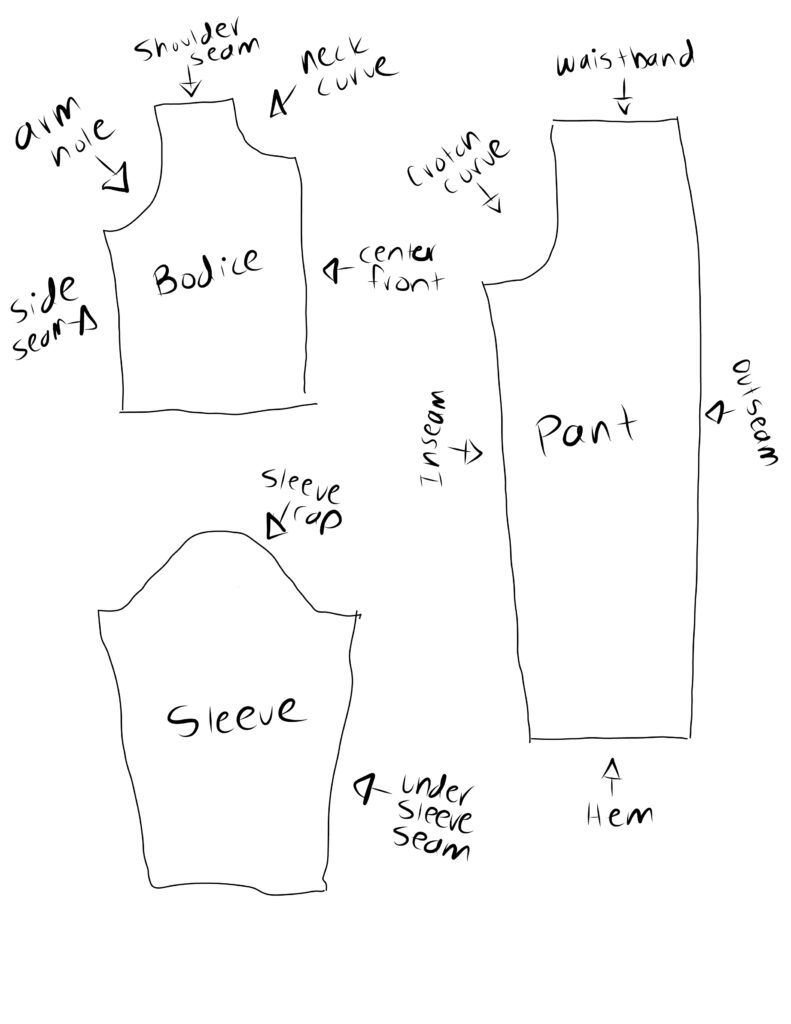
It’ll also give you a little practice learning about waistbands and hems.
Tip #2: Learn various seam finishes
In fashion school they have everyone go through and make small samples of each seam finish and sewing technique so you learn how each of them goes together but also why you would use each seam finish.
Some seam finishes make seams stronger, stretchier, or they work best for certain types of fabric.
A reference I would use for these are two books that we love here at the studio :
‘The Sewing Book’ by Allison smith and ‘Reader’s Digest Complete Guide to Sewing’ .
(We suggest these and a few other books in our sewing books blog!
Learning and stitching your seam finish before making a more advanced garment will help prevent frustration and fear when you are tempted to make a more complex garment.
Tip #3: Learn textile basics
Understanding the stretch and grainline of your fabric is crucial to making sure you are cutting out your fabric correctly which directly correlates how your garment will fit.
If you cut out your fabric the wrong way on the grain it means that the stretchiest part of your material (the weft) will be going up and down instead of around your body.
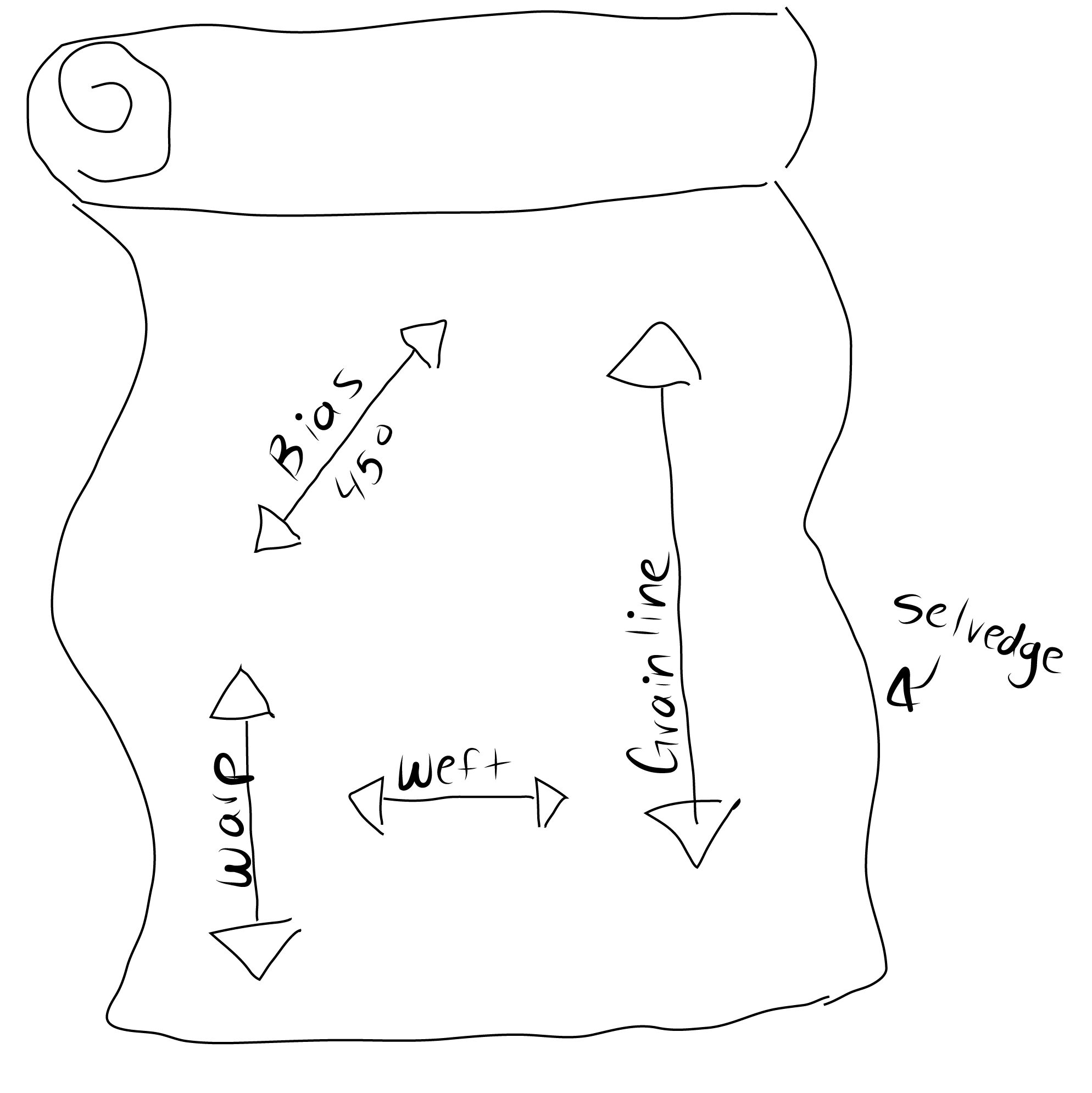
So ensuring that you are following the grainline on your fabric and pattern will mean that your garment will be able to stretch and move with you instead of constricting you.
We explore all of these learning methods in our adult sewing course that we have been teaching for over 8 years. When learning how to sew it can be really enticing to jump right in to your dream project but there are so many things that can go wrong or be missed when lacking the years of sewing experience. It’s always best to learn your foundations so you don’t end up wasting precious fabric, time, and money!