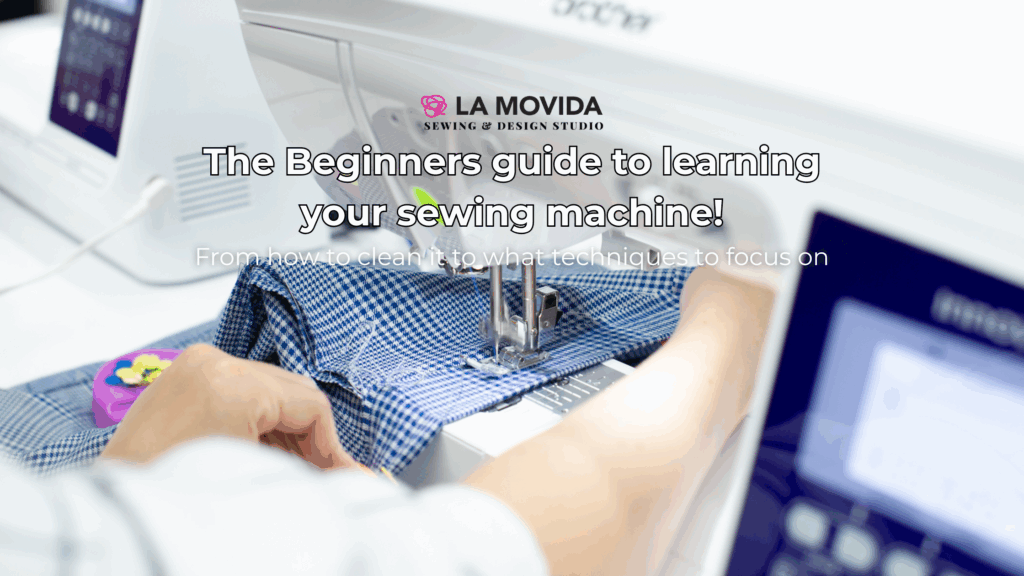
One of the biggest reasons we have private lessons here at our kitsilano sewing studio is to help sewists navigate around their sewing machine. While most sewing machines have the same basic functions the set up of the machine and the features of the machine can vary. In this week’s blog I want to talk about some of the essential things you should learn how to do with your sewing machine.
The first thing I will start with is cleaning out your sewing machine.
With use of the sewing machine means regular maintenance. Here at the studio all of our staff are trained to know how to properly clean out a sewing machine and how to do basic repairs on the machine because a trip to the sewing machine repair shop can mean months long waits to get the machine back and a $100 bill every time (if not more).
So learning how to do basic maintenance on your sewing machine will be essential to the longevity of your machine and the precision of your sewing. A poorly maintained sewing machine can affect how easy the machine is to thread up and how it sews.
Looking to get your first sewing machine? Read our ‘How to buy a sewing machine’ blog post!
Now, I would totally suggest getting professional instruction on how to do this first time out because there are a few things to look out for to doing it right but the basics are as follows.
Remove the presser plate and the arm of the sewing machine. We also take out our bobbin casing to clean under it but please take a lot of care into making sure you know exactly how it goes back in. Some machines come with a little dust brush but if you don’t have one just grab a clean paint brush and dust out all your bunnies like a paleontologist. Once you dust out the bulk of the bunnies then you can *sparingly* take some canned air and give it a little spray.
Then put the whole bottom of your machine back together. I like to give my hand wheel one full rotation after putting it back together to ensure that I didn’t put the bobbin casing back in funky.
After this I unscrew the top cover and shine a flashlight in there to make sure no thread has been wrapped around any of the mechanisms. This can happen with improper threading and is a common issue that can make threading harder in the future. If you do have thread up in there I carefully take a pair of long tweezers and a small pair of snips and surgically remove all the excess thread. Then I put the machine back together.
The final thing you can check is under the bobbin winder to make sure no thread has been clogged under there. Some machines will just let you pop the bobbin winder platform off but be careful not to break your machine.
Next I would learn how to switch out my various presser feet and how to use each of them.
When I teach this in our private lessons I always have a scrap piece of fabric ready and my manual out. Even with years worth of experience on a wide variety of machines there are plenty of things I could get wrong so it is always good to consult a manual to ensure the best outcome. Now, most of the time I only use the basic presser foot and the buttonhole foot so start by figuring that out and if you still have the energy try out the zipper foot and all the rest in your kit.
I feel it is important to emphasize how important the machine manual is to the success of your sewing journey. While these manuals can be a dense read they are an amazing resource. If you bought your sewing machine second hand you can find pdf’s of your manual online.
The final thing I would do when trying to learn how to use my machine is test out a ton of fabrics without tackling a specific project.
Sewing a straight stitch slowly on a variety of thicknesses and stretches will help you understand how to sew with various fabrics in the future and make that process a lot less daunting.
There are a few more things I go over when I meet people for private lessons on how to operate their sewing machine but these few skills should be enough to get you started without feeling too overwhelmed by the walls of text and information. If you still need professional help learning how to use your sewing machine or diagnosing what is going wrong during your sewing journey we are always here to help with every step of the way!