For a long time I felt that my career path was frivolous. Though I teach sewing in hopes to encourage and educate people to know more about where their clothes come from, as both an ethical and environmental thing; I was still concerned deep down that being absorbed by fashion made me vain.
Maybe I felt this way because there is a large push for minimalism in the environmental sphere or because mono-dressing (like Steve Jobs did) was purported to show that you care more about your productivity than ‘wasting’ time on choosing an outfit.
Even working with kids so closely and seeing how much learning to sew helps them blossom into more confident and capable people, I still found myself worried that maybe I shouldn’t be spending so much time caring about something that others see as a surface level thing.
But the more I learned about textiles and fashion the more I realized how important both of them are. Textiles changed all of our lives and fashion has continued to define cultures and generations. They are both integral to human history and what we have and will create.
So allow me to take you through some of the most important technological advances in fashion history.
Please note, I am not a historian, this is the information I know after years of reading and learning about textiles. I really encourage you to check out my full list of sources and highly recommend the books below if you’re interested in understanding these topics deeper!
Thread
It was long considered women’s work, one of the most time consuming and low paying jobs that was an absolute necessity to society.
Thread was originally just strips of animal hide, it was likely the Egyptians who first were able to spin strands of cellulose and protein fibers into strands of thread.
Drop spindles were the first tool to be widely used for this process; having been used for at least 9000 years.
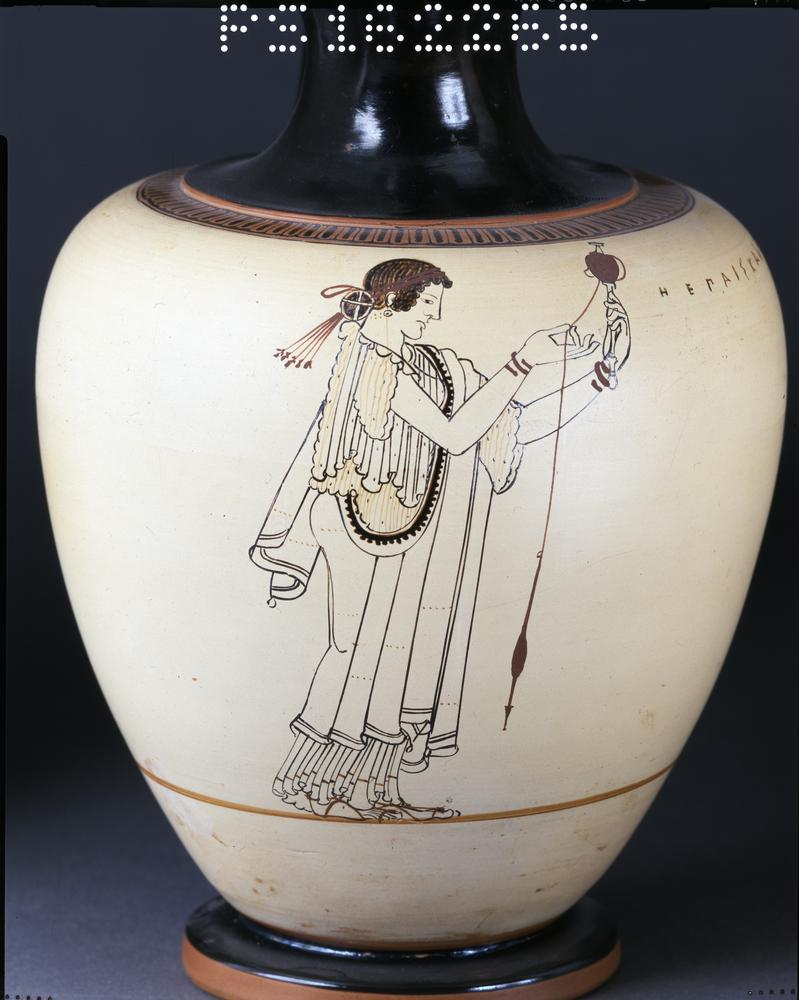
© The Trustees of the British Museum. Made in Attica, Greece Circa. 490BC-470BC
Spinning with a drop spindle, it takes 1 – 2 hours to get about an ounce of usable thread. Every robe, sail, rope, sheet, bandage, and hat required hundreds of meters of thread, so it’s no surprise that something so essential needed to be improved upon. Even so, the drop spindle was the choice tool for spinning until the spinning wheel was invented nearly 10,000 years later.
The Spinning wheel helped produce thread faster and with a more consistent twist; improving strength and durability. It originated somewhere in the islamic world around 1030AD (although it’s exact origin is disputed).
The innovation of the Spinning Jenny (1764AD) was the start of the industrial revolution. As you can imagine, the output of cloth being restricted by the tedious process of spinning thread meant it was ripe for such a large-scale innovation.
Thread
The Knitting Machine & Looms
Looms go almost as far back as spinning thread, somewhere around 5000BCE.
The treadle loom was invented around 200BCE, allowing weavers to work a lot more efficiently.
Knitting machines were invented in the 15th century, to make stocking knitting much easier. As a knitter myself, it can take me about 30 hours to knit a sweater for myself, but my friend at KnotImpressed taught us on knitting machines a few months back and you can make up a sweater with a knitting machine in just a couple of hours…
The innovation of the Jaquard Loom in the 1800’s and then the punch card knitting machine in 1842 largely contributed to how computer programming works today. The binary code used in both of these machines inspired The Babbage Engine in the 1890’s.
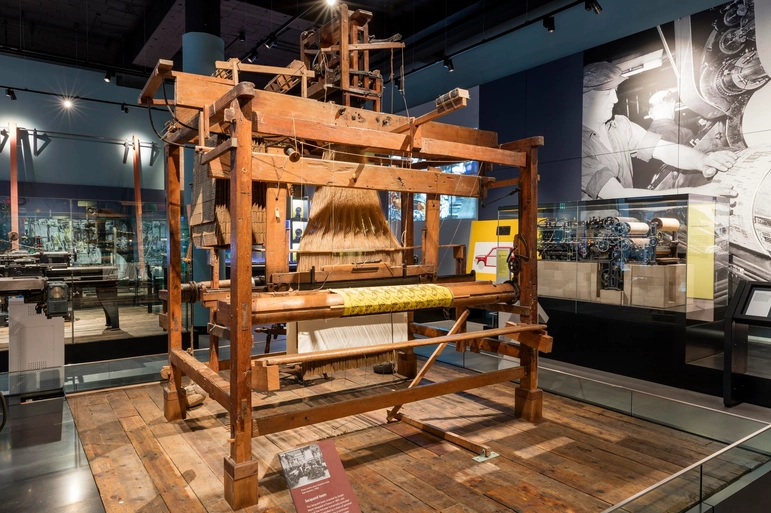
Jacquard loom in the Making It gallery in the National Museum of Scotland. Museum reference T.1934.241.
Dyes
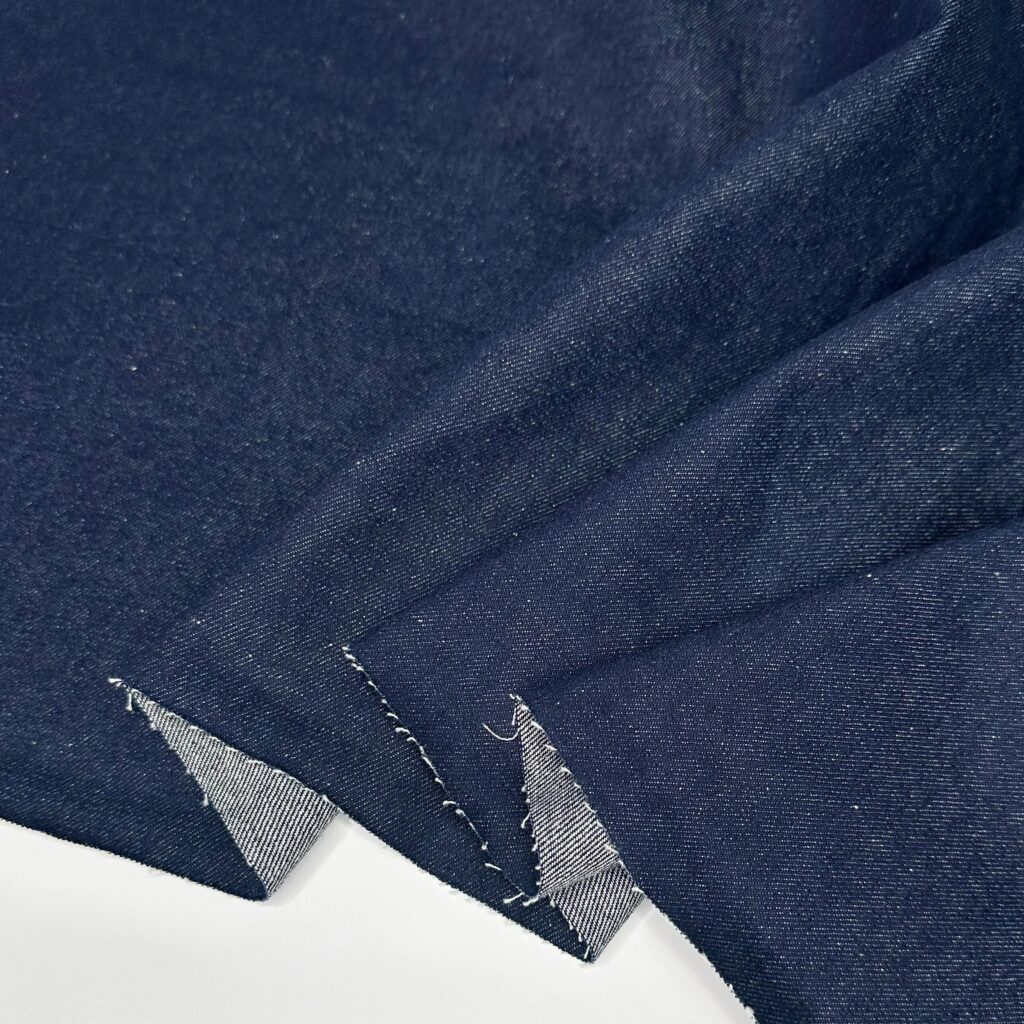
There were economies built upon innovation dyes and the experimentation to get the right color is responsible for some of the biggest medical advancements. One of the most notable instances of dye innovation contributing to medical science is Methylene Blue.
German Chemist Heinrich Caro worked to innovate a synthetic dye to help replace the highly sought after indigo.
The costlyness of beautiful and vibrant dyes meant that whomever could innovate the practice would be paid handsomely.
After Synthesizing it in 1876, it was used in labs to stain bacteria, but upon using it they realized that it immobilized the parasites that cause malaria.
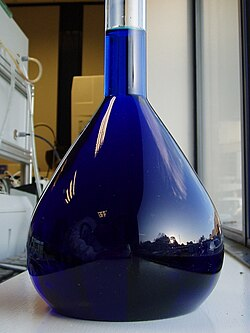
A volumetric flask of a methylene blue solution
Methylene Blue has a wide range of applications used across medicine today.
Nylon
Synthetic fibers can be a hot topic but the invention of nylon has taken us to places we would have never been able to go. Innovating fibers has been critical to a lot of scientific development, and Nylon is one of the best examples of this.
Invented and originally used for stockings in the early 20th century, scientist worked to create a fiber that could rival in strength to silk but be less costly to produce.
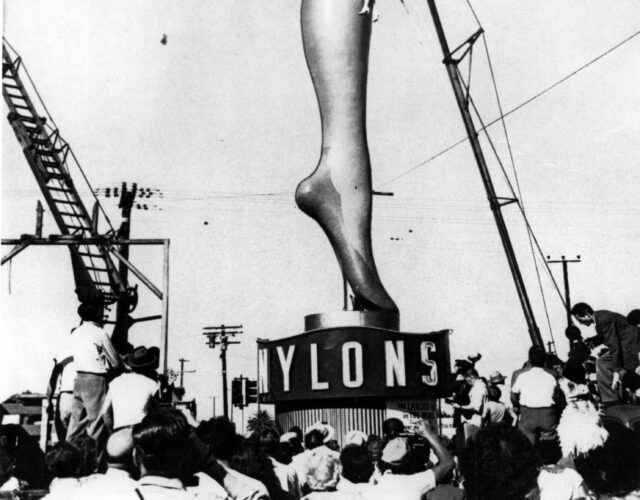
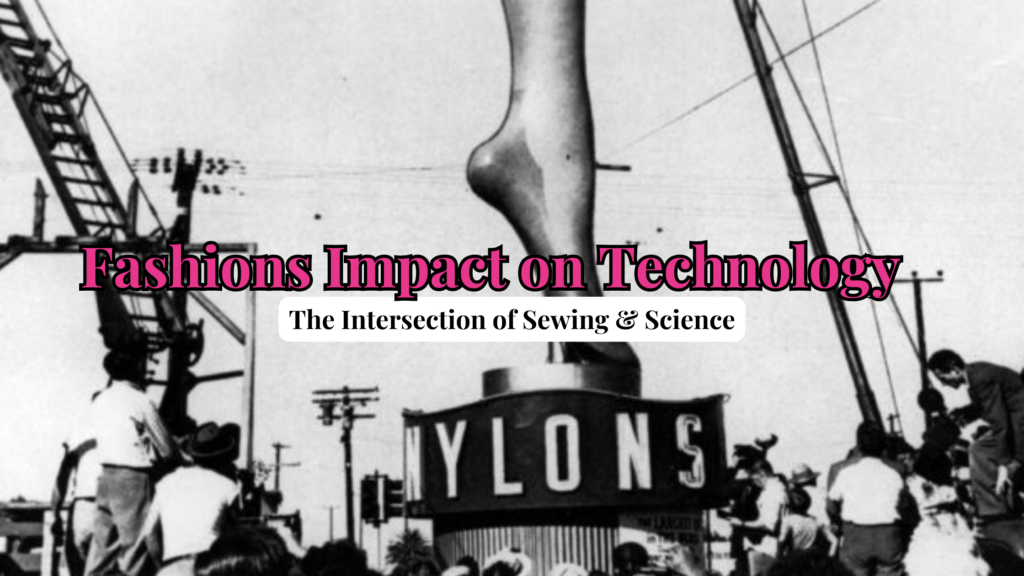
A giant leg, 35 feet high, advertised nylons to the Los Angeles area.
Courtesy Hagley Museum and Library.
But with war efforts ramping up, the strength of this fiber would lend itself to rope production, and most notable parachutes. Now nylon is used in a wide range of hard wearing technical gear, especially with the combination of the weaving techniques used in sails producing what we know as Ripstop, one of the strongest fabrics on the market.
The Bandage
It feels obvious but healing wounds would not be possible without cloth.
Everyone knows about the process of mummification, Egyptians used linen cloth to wrap around bodies, but they were also used in wound care.
Similarly the Greeks and Romans used linen and wool cloth to wrap wounds.
Gauze was a huge innovation in wound care due to its absorbency. The Palestinians have had a long history in textile production and in the 13th century they created the weaving techniques to turn silk into the weave structure that we know as gauze today.
In combination with the Egyptians ability to make fine cotton, the absorbency and weave structure has an unparalleled use in medicine.
Recommended products

Bubble Crepe Double Gauze | Beige
$6.00 PER 1/2 METER
($12.00 PER METER)Bubble Crepe Double Gauze | Blue
$6.00 PER 1/2 METER
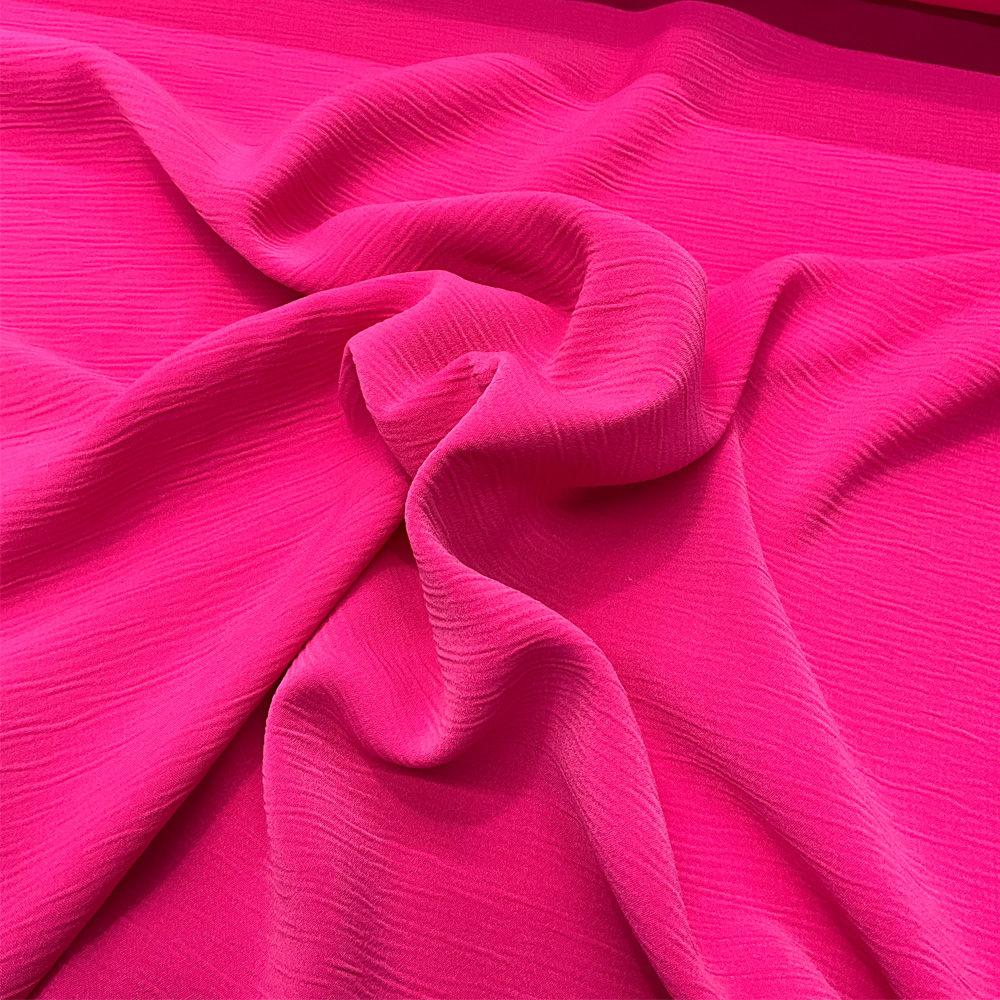
($12.00 PER METER)Bubble Crepe Double Gauze | Fushia
$6.00 PER 1/2 METER
($12.00 PER METER)Carefree Crinkle Cotton | Black
$7.00 PER 1/2 METER
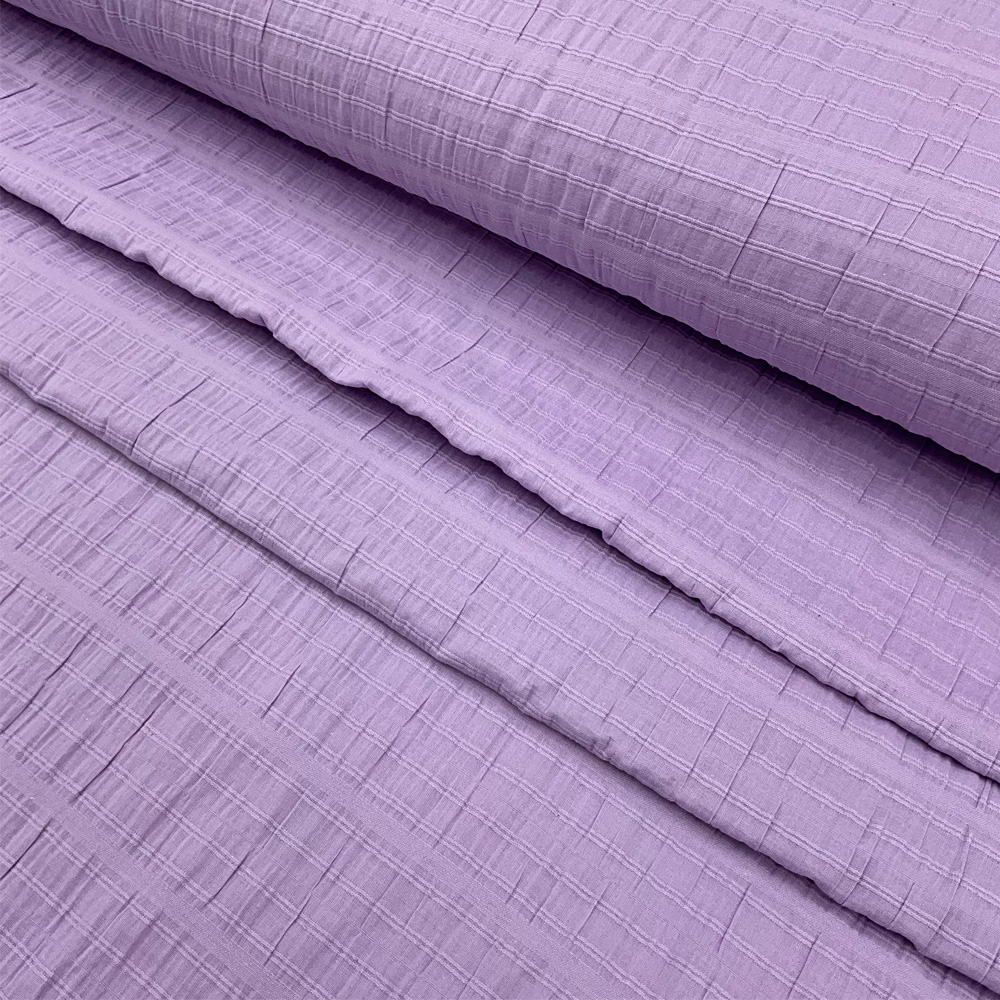
($14.00 PER METER)Carefree Crinkle Cotton | Lilac
$7.00 PER 1/2 METER
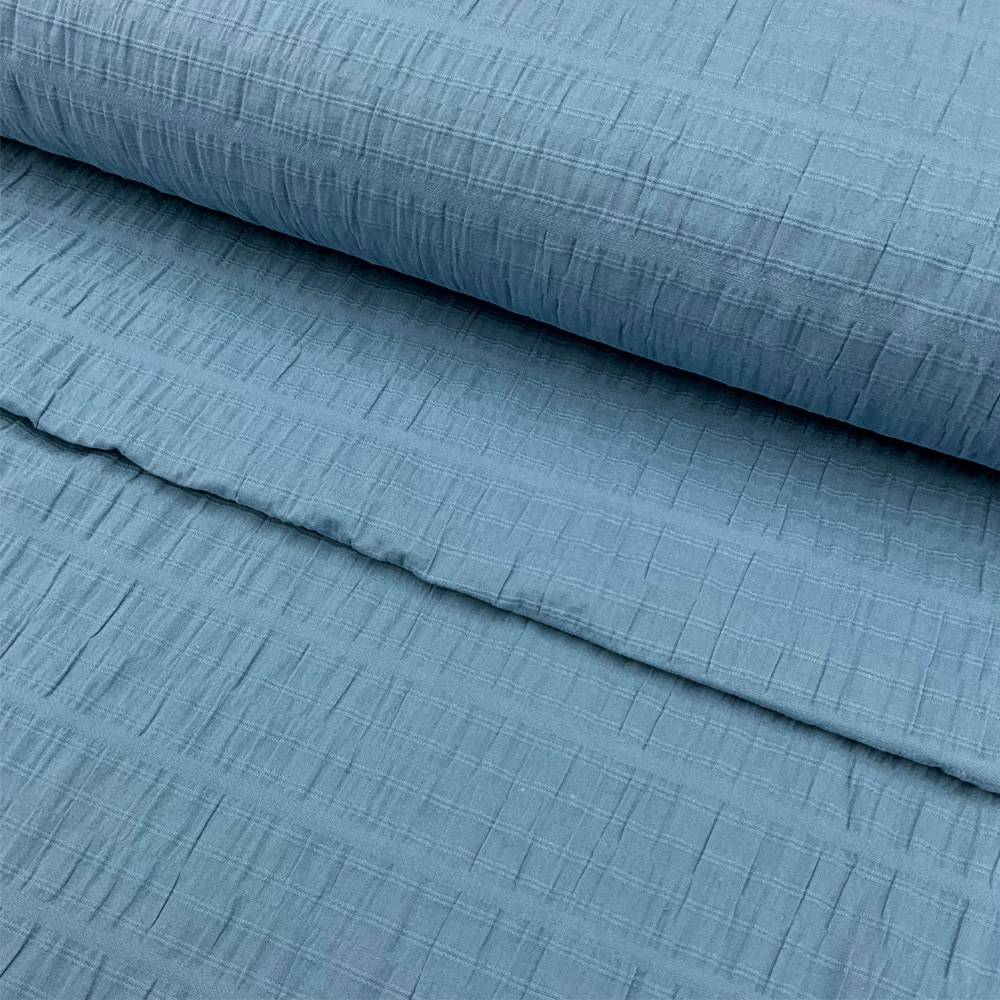
($14.00 PER METER)Carefree Crinkle Cotton | Lake Blue
$7.00 PER 1/2 METER
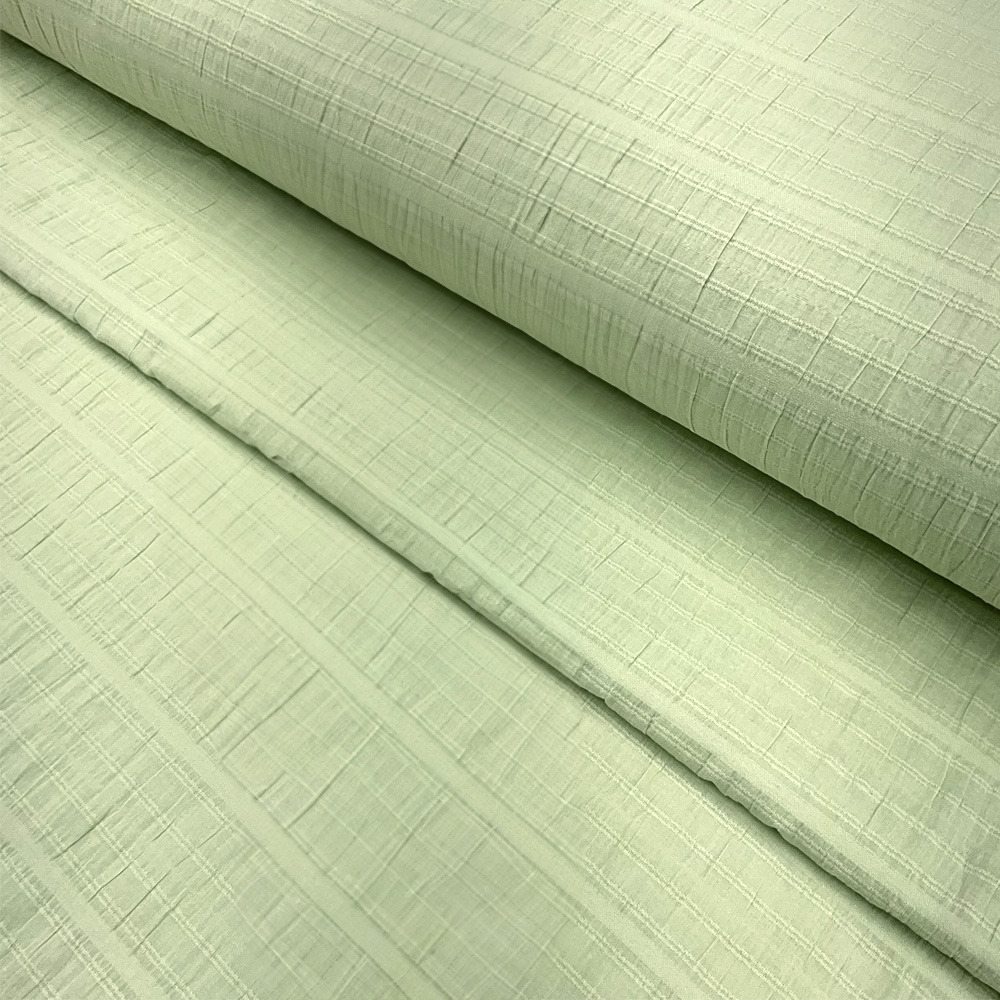
($14.00 PER METER)Carefree Crinkle Cotton | Honeydew
$7.00 PER 1/2 METER
($14.00 PER METER)

Soruces:
Books I recommend
As an aside, if you don’t know, I am an avid collector and connoisseur of fashion and textiles literature. It’s nearly the only thing I read, a lot of what I am hitting on here is shared in This book on Fashion History and This book on textile history. If you’re not a good read like I am, I use Libro which allows you to actually own the audio books you read. But I’m sure Massy books can order you them in too if you’re interested in learning more!
The Fabric of Civilization: How Textiles Made the World
Book by Virginia Postrel
Fashion, New Edition: The Definitive Visual Guide
By D.K. Publishing
Thread
Looms, Knitting, and Computers
https://www.textileschool.com/10248/history-and-evolution-of-looms
https://www.computerhistory.org/babbage
https://en.wikipedia.org/wiki/History_of_knitting
https://www.shivtextiles.co.uk/post/a-timeline-of-the-history-of-weaving
Dyes
https://rmit.pressbooks.pub/colourtheory1/chapter/dyes-history-and-techniques
https://pubmed.ncbi.nlm.nih.gov/27576224
https://www.acs.org/pressroom/tiny-matters/19th-century-dye-industry.html
Nylon
Bandages
https://www.yzsumed.com/news/the-evolution-of-bandages-and-gauze-a-historical-overview
https://www.snopes.com/fact-check/gauze-originate-from-gaza